
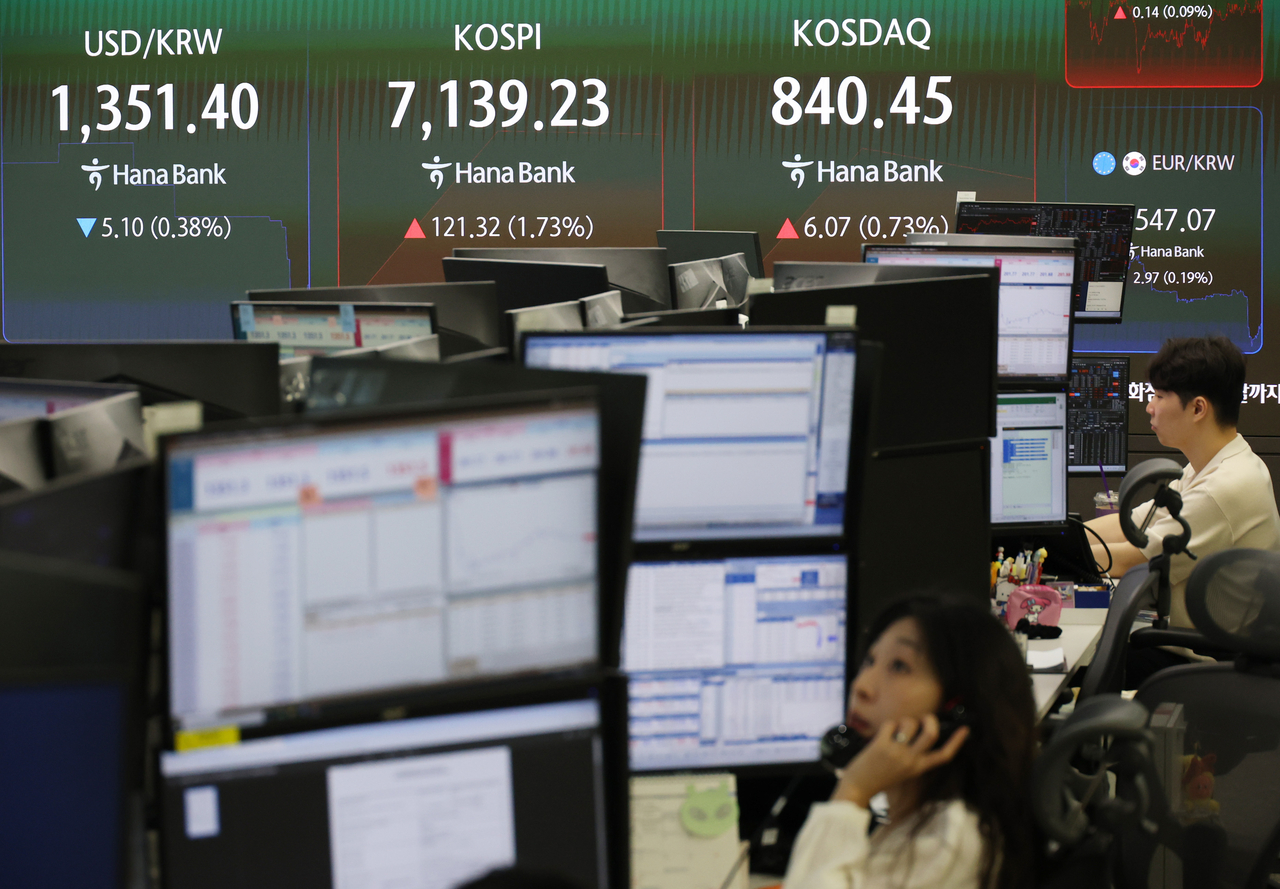
High frequency trading might actually slow down the real economy. The International Banker report brings up new worries about computer trades. Fast buying and selling could be taking attention away from normal businesses that need long term growth.
Could high frequency trading slow down the real economy?
High frequency trading uses ultra fast computers to buy and sell financial assets in split seconds. These systems make millions of tiny trades every single day to catch tiny price changes. Proponents always claim this speed helps the market move smoothly and keeps costs low for everyone.
However, many experts now ask if this ultra fast speed helps the everyday world. When big money focuses on tiny second-by-second price shifts, it might not go into real businesses. Companies need solid long term investments to build new factories, hire workers, and make actual products that help society grow over time.
What high frequency trading means for everyday people
The average person does not own supercomputers to trade stocks in microseconds. When regular people put their savings into the market, they want stable investments that grow over several years. Fast computer trading can create weird price jumps that make normal investing feel much more risky and confusing for families.
This focus on microsecond speed changes how capital flows through our financial system. If main money managers focus on quick computer flips, real projects might struggle to get cash. You can look at the long history of Timeline of United States inventions (1946, 1991) to see how real ideas need steady funding to change the world.
How fast trading compares to real world growth
The real economy relies on physical items, useful services, and hard work from real people. Factories take months to build and new software takes years to code. Quick stock flips happen in milliseconds, creating a massive gap between paper wealth and actual work.
Here are the key points to understand about this trade gap:
- Computers trade stocks in fractions of a single second.
- Real companies need long term money to hire staff and build products.
- Fast trades can cause sudden market swings that scare normal investors.
- Money spent on high speed tech might not help local businesses.
What to watch in the financial markets next
Lawmakers and market leaders are looking closely at how fast trades affect everyday life. Some experts want new rules that slow down automatic trading systems just a little bit. Putting tiny delays on orders could give human investors a fair chance to compete with giant trading computers.
We will need to watch if central banks and market leaders make major policy changes soon. If high frequency trades keep pulling cash away from real infrastructure, modern laws may have to catch up fast. Keeping markets safe for normal long term investors remains a top priority for economic health.